
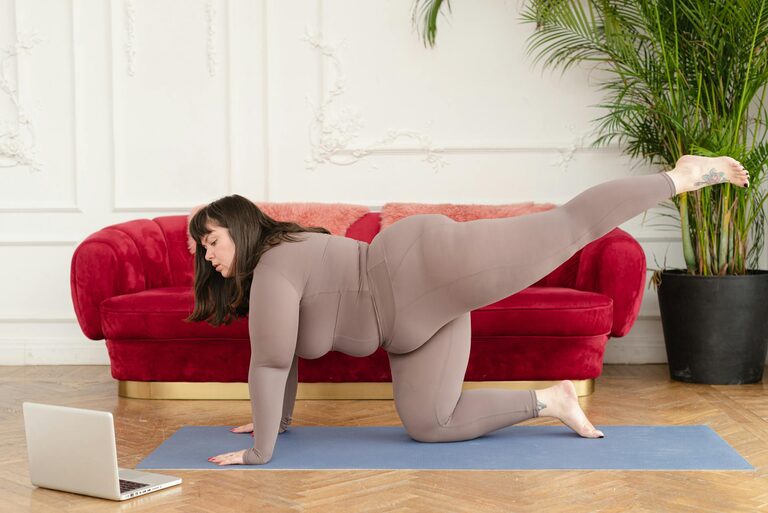
Stretching is a simple yet powerful way to improve your body’s flexibility, reduce muscle tension, and promote overall wellness. Whether you’re looking to enhance your fitness routine or simply want to feel more relaxed throughout the day, stretching at home can be a great start. This beginner’s guide will walk you through the basics of stretching, its benefits, and easy routines you can try without any special equipment.
Why Stretching Matters
Stretching helps maintain the elasticity of your muscles and tendons, allowing you to move more freely and with less discomfort. Here are some key benefits:
– Improves flexibility: Regular stretching increases your range of motion over time.
– Reduces muscle stiffness: Stretching can relieve tension after sitting or exercising.
– Enhances circulation: It promotes better blood flow to your muscles.
– Prevents injury: Preparing your muscles for activity lowers the risk of strains.
– Relieves stress: Gentle stretching can have a calming effect on your mind and body.
Types of Stretching
Understanding different types of stretching can help you decide what works best for you:
Static Stretching
This involves holding a stretch in one position for 15 to 60 seconds. It’s ideal for cooling down or improving flexibility gradually.
Dynamic Stretching
Dynamic stretches use controlled movements that gently take your joints through a full range of motion. Great for warming up before physical activity.
Passive Stretching
Performed with the help of external forces, such as a partner or a prop (like a strap), to hold a stretch for you.
For beginners at home, static and dynamic stretches are the most accessible and safe options.
Preparing for Your Stretching Session
Before you start, keep these tips in mind:
– Warm up first: Stretching cold muscles can increase injury risk. Light activity like walking or marching in place for 5 minutes helps warm your muscles.
– Wear comfortable clothes: Loose clothing allows you to move freely.
– Choose a quiet space: Find a calm spot where you won’t be disturbed.
– Use a mat or soft surface: This protects your joints, especially if you’re stretching on the floor.
Beginner-Friendly Stretching Routine
This routine targets major muscle groups and takes about 10 to 15 minutes.
Neck Stretch
– Sit or stand tall.
– Slowly tilt your head to the right, bringing your ear toward your shoulder.
– Hold for 20-30 seconds.
– Switch sides and repeat.
Shoulder Stretch
– Bring your right arm across your chest.
– Use your left hand to gently press your right arm closer to your chest.
– Hold for 20-30 seconds.
– Switch arms and repeat.
Chest Opener
– Clasp your hands behind your back.
– Straighten your arms and gently lift your hands upward.
– Open your chest and keep your shoulders down.
– Hold for 20-30 seconds.
Seated Forward Bend
– Sit with your legs extended straight in front of you.
– Inhale, lengthen your spine.
– Exhale, slowly reach toward your toes without bouncing.
– Hold for 20-30 seconds.
– If you can’t reach your toes, rest your hands on your shins.
Cat-Cow Stretch (for spine mobility)
– Get on hands and knees in a tabletop position.
– Inhale, arch your back, lifting your tailbone and head (Cow Pose).
– Exhale, round your back, tucking your chin and pelvis (Cat Pose).
– Repeat 5-10 times, moving smoothly with your breath.
Hip Flexor Stretch
– Step your right foot forward into a lunge position.
– Keep your left knee on the floor.
– Shift your weight slightly forward to feel a stretch in your left hip.
– Hold for 20-30 seconds.
– Switch sides and repeat.
Calf Stretch
– Stand facing a wall with your hands pressing against it.
– Step one foot back, keeping it flat on the floor.
– Bend your front knee and lean forward gently.
– Hold for 20-30 seconds.
– Switch legs and repeat.
Tips for Effective Stretching
– Breathe deeply: Inhale through your nose and exhale through your mouth to relax muscles.
– Never bounce: Stretch slowly and hold steady to avoid muscle strain.
– Stretch both sides: To maintain balance, stretch both left and right sides evenly.
– Listen to your body: Mild tension is normal, but stop if you feel pain.
– Be consistent: Aim to stretch at least 3 times a week for the best results.
When to Stretch
You can incorporate stretching into your day in many ways:
– Morning routine: Start your day feeling limber and energized.
– Before exercise: Use dynamic stretches as a warm-up.
– After exercise: Cool down with static stretches to aid recovery.
– During work breaks: Stretching helps relieve stiffness from prolonged sitting.
– Before bed: Gentle stretches can promote relaxation and better sleep.
Common Stretching Mistakes to Avoid
– Stretching cold muscles without warming up.
– Holding your breath while stretching.
– Forcing your body into uncomfortable positions.
– Stretching only one part of the body.
– Skipping regular stretching sessions.
By developing a mindful and consistent stretching practice at home, you’ll gradually experience improved flexibility, less muscle tension, and enhanced well-being — all from the comfort of your living room.
—
Remember, patience and gentle care are key. Begin slowly, respect your body’s limits, and enjoy the benefits of adding stretching into your daily routine. Happy stretching!