
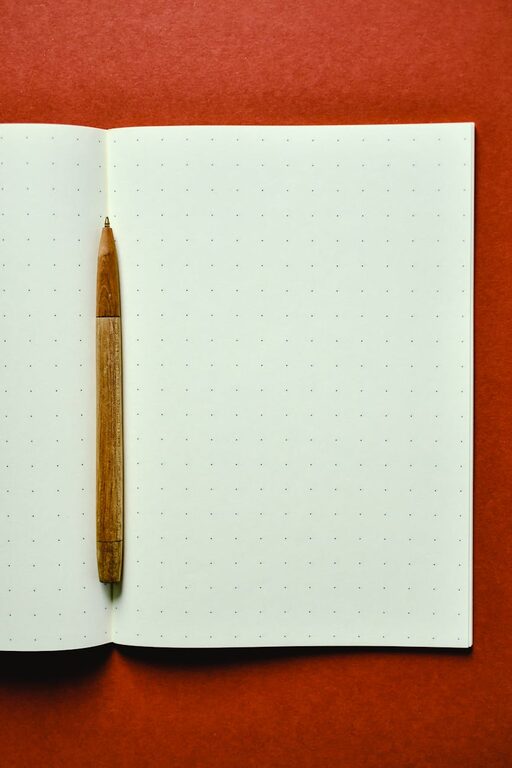
If you’ve been looking for a simple and creative way to organize your tasks, track your habits, or plan your goals, bullet journaling might just be the perfect solution. This flexible system combines planning, journaling, and creativity into one notebook that adapts to your needs.
In this beginner guide, we’ll walk you through what bullet journaling is, how to set it up, and tips to keep it effective and enjoyable.
What is Bullet Journaling?
Bullet journaling (or BuJo) is a method invented by Ryder Carroll to help people organize their lives in a quick, efficient, and customizable way. Unlike traditional planners or digital apps, a bullet journal is a physical notebook where you create your own layouts, trackers, and logs.
The beauty of bullet journaling is that it can be as simple or as artistic as you like. You can use it for:
– Daily task lists
– Long-term goal tracking
– Mood and habit monitoring
– Brain dumps and notes
– Creative doodling
Essential Supplies for Starting
You don’t need fancy tools to start bullet journaling—just a pen and notebook. However, here are some basic supplies to consider:
– Notebook: A dot-grid or blank notebook works best, but lined or grid notebooks are fine too. Popular brands include Leuchtturm1917 and Moleskine.
– Pen: A smooth writing pen. Many enjoy using fine liners or gel pens.
– Ruler: For drawing straight lines and creating clean layouts.
– Optional: Colored pens, markers, stickers, and washi tape for decoration.
Remember, the focus is on functionality, so start simple and add flair as you enjoy the process.
Setting Up Your First Bullet Journal
1. Index
At the very beginning of your notebook, create an Index. This will help you keep track of pages and topics as your journal grows.
– Leave two pages blank at the start.
– Number your pages (if your notebook isn’t pre-numbered).
– Record each new section or collection with its page number in the index.
2. Key
Create a “key” to explain the symbols or bullets you’ll use. Typical bullets include:
– • for tasks
– ○ for events
– – for notes
– × for completed tasks
– > for migrated tasks (moved to another day)
– < for scheduled tasks
You can customize this to suit your own needs.
3. Future Log
The future log is a place to jot down upcoming events, appointments, or deadlines months ahead.
– Divide two pages into equal sections (e.g., six months per two pages).
– Write major events or plans under each month.
4. Monthly Log
Each month, create a spread to outline the month’s calendar and task list.
– On one page, list the dates in a column with the first letter of the day next to each.
– On the opposite page, list tasks and goals for the month.
5. Daily Log
Your daily log contains the tasks, appointments, and notes for each day.
– Write the date at the top of the page.
– Add bullets for each task, event, or note as they come up during the day.
Tips for Using Your Bullet Journal Effectively
Keep it Simple
When starting out, avoid over-complicating your layouts. Focus on the functionality to build consistency. You can always add more creative elements later.
Review and Migrate
At the end of each day or week, review your tasks. Mark completed tasks and migrate unfinished tasks to the next day, week, or month. This habit keeps your journal current and your priorities clear.
Customize to Your Lifestyle
Bullet journals are highly adaptable. Feel free to include collections like:
– Habit trackers
– Mood logs
– Expense trackers
– Book reading lists
– Meal planning
These pages help tailor your journal uniquely to your life.
Use Symbols and Color Coding
Using consistent symbols and adding color can increase clarity and make the journal visually appealing. For example, use one color for work tasks and another for personal goals.
Don’t Stress About Perfection
Remember, bullet journaling is a tool to help you, not another task to master perfectly. If you miss a day or your pages aren’t artistic, that’s perfectly okay. The goal is to stay organized and mindful.
Inspiration for Your Bullet Journal
There are many online communities, such as Instagram, Pinterest, and YouTube channels, where you can find tons of ideas to inspire your bullet journaling journey. Whether you prefer minimalist designs, creative doodles, or functional layouts, these platforms are excellent resources.
Final Thoughts
Bullet journaling is a flexible, creative, and effective way to organize your daily life, set goals, and track progress. By starting with the basics and tailoring the system to your needs, you’ll be on your way to a more productive and mindful lifestyle.
Give it a try today — all you need is a notebook and a pen! Happy journaling!